
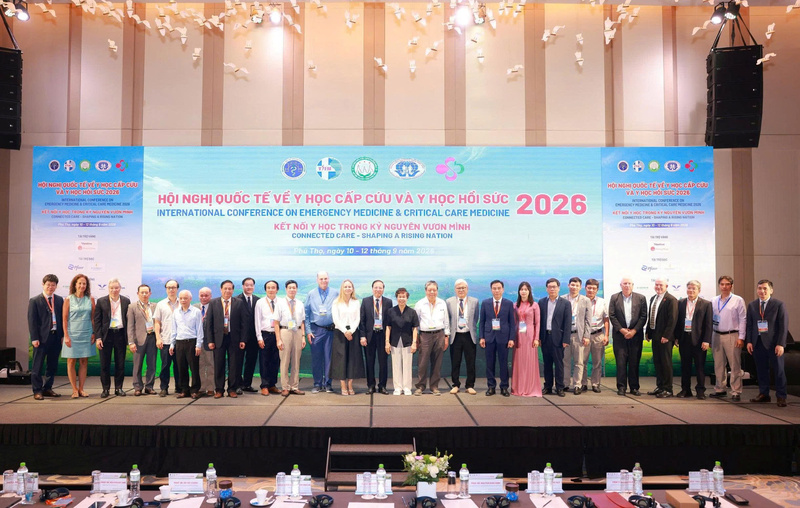
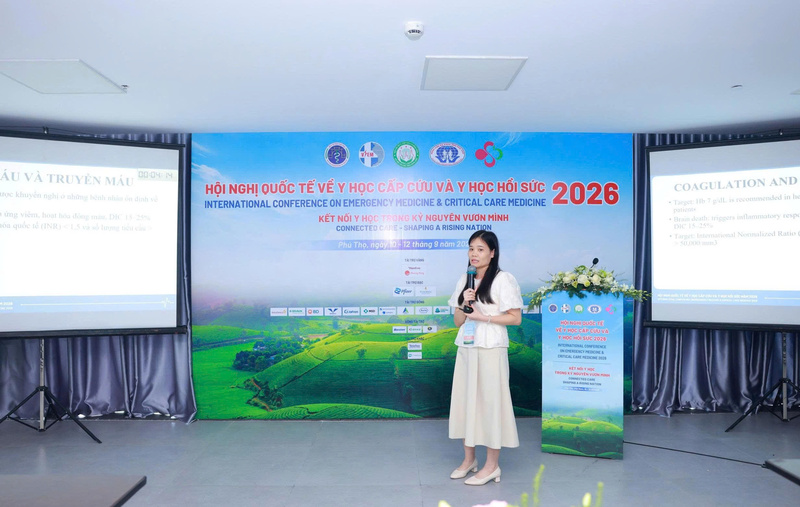
The 2026 International Conference on Emergency Medicine and Critical Care Medicine was held in Phú Thọ from 10 to 12 September 2026, bringing together a large number of specialists, doctors, nurses and researchers working in emergency medicine, intensive care and clinical toxicology, along with many related disciplines.
The programme was organised by Phú Thọ Provincial General Hospital together with the Hanoi and Northern Provinces Society of Critical Care, Emergency Medicine and Clinical Toxicology, with support from the sponsors and with the participation and professional contributions of many Vietnamese and international experts.
Updating knowledge – sharing experience – connecting the profession
The conference offered a wide-ranging scientific programme focused on practical questions in emergency care and treatment. Speakers shared updates on intensive care, emergency medicine, clinical toxicology, sepsis, cardiology, respiratory medicine, blood gas analysis, haemodynamics, stroke, trauma, ECMO, continuous renal replacement therapy (CRRT) and many other specialist areas.
Beyond updating knowledge, the meeting was also an occasion for doctors and healthcare staff to exchange practical experience in diagnosing, treating and caring for critically ill patients, strengthening the links between healthcare facilities and specialist research teams.
A conference of notable scale, with international experts taking part
Around 700 delegates attended, coming from hospitals, universities and healthcare facilities in provinces and cities across the country. They spanned emergency and critical care, intensive care and clinical toxicology, internal medicine, surgery and paediatrics through to diagnostic imaging, interventional radiology and related disciplines.
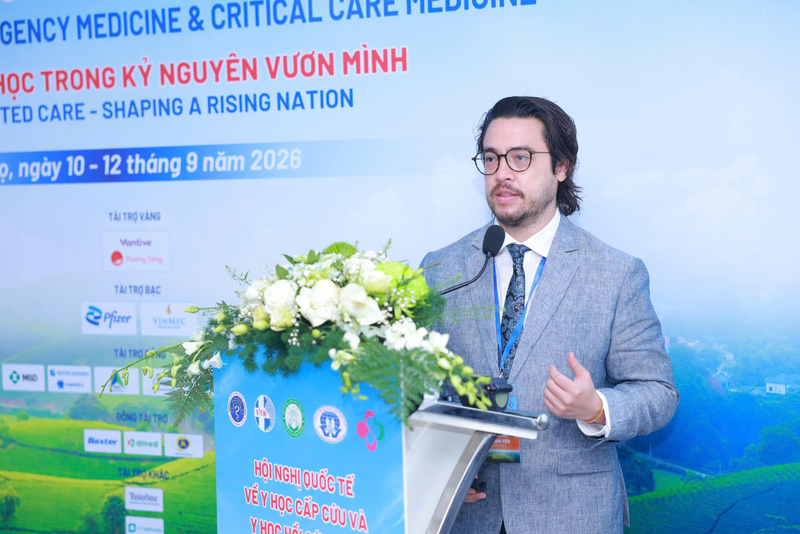
Notably, the programme featured 36 international speakers, among them professors, doctoral researchers and experienced specialists in emergency medicine and intensive care. The speakers came from a range of international universities and medical centres, including Harvard University, Yale University, the University at Buffalo, the University of Vermont and Dartmouth Hitchcock Medical Center, among others.
In addition, 49 international delegates attended in person, creating further opportunities for exchange, for sharing knowledge and for broadening cooperation between Vietnamese healthcare teams and experts from a number of countries.
Bringing knowledge and technology closer to clinical practice
One notable feature of the conference was the way it combined scientific sessions, in-depth training and the presentation of solutions and technologies that support emergency and critical care work, including technologies for haemodynamic monitoring, blood gas analysis and mechanical ventilation.
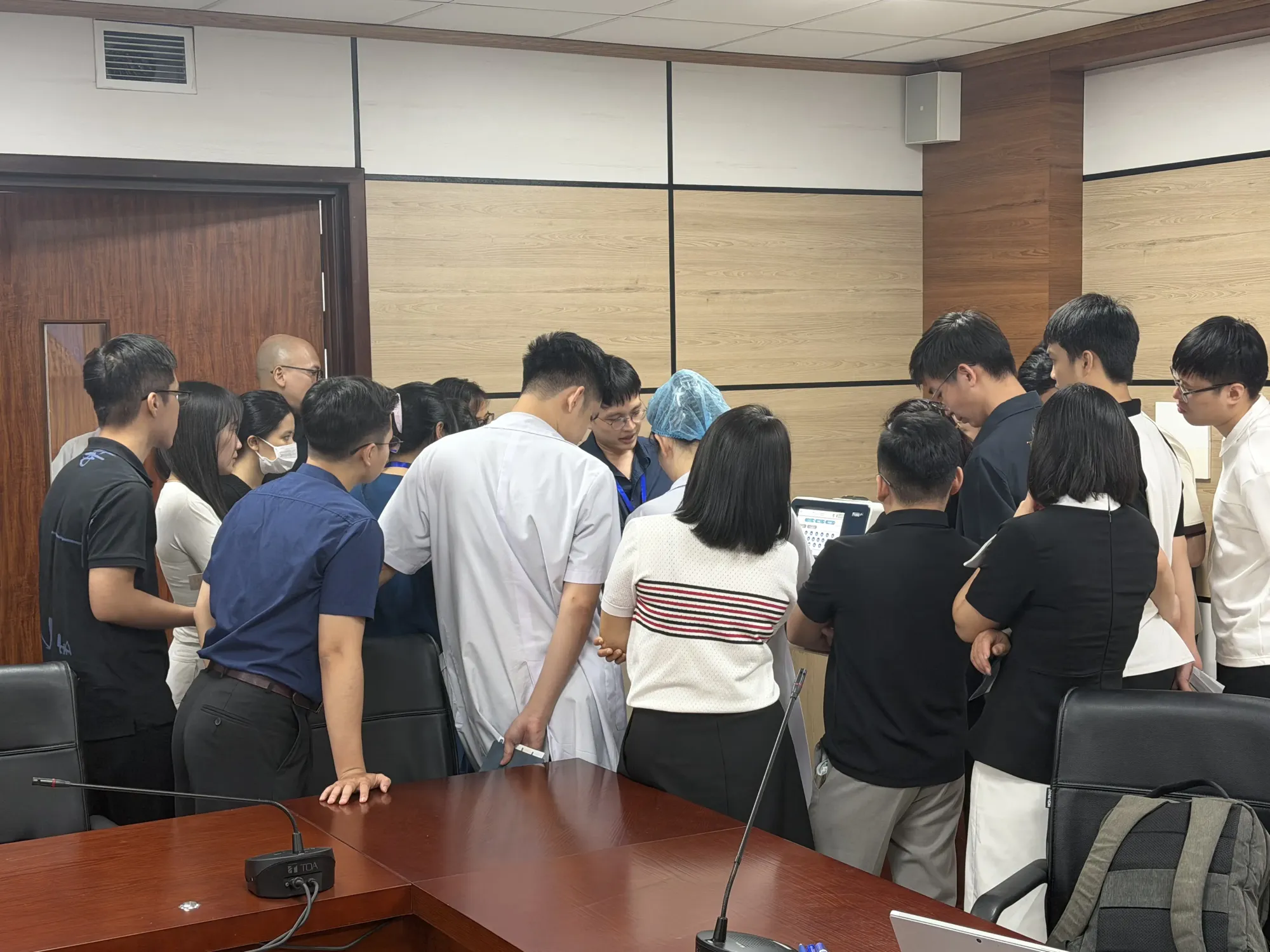
As part of the pre-conference programme on 10 September, a number of specialist workshops were held at healthcare facilities and conference venues across Phú Thọ province, giving participants both access to up-to-date knowledge and the chance to speak directly with experts in each field.
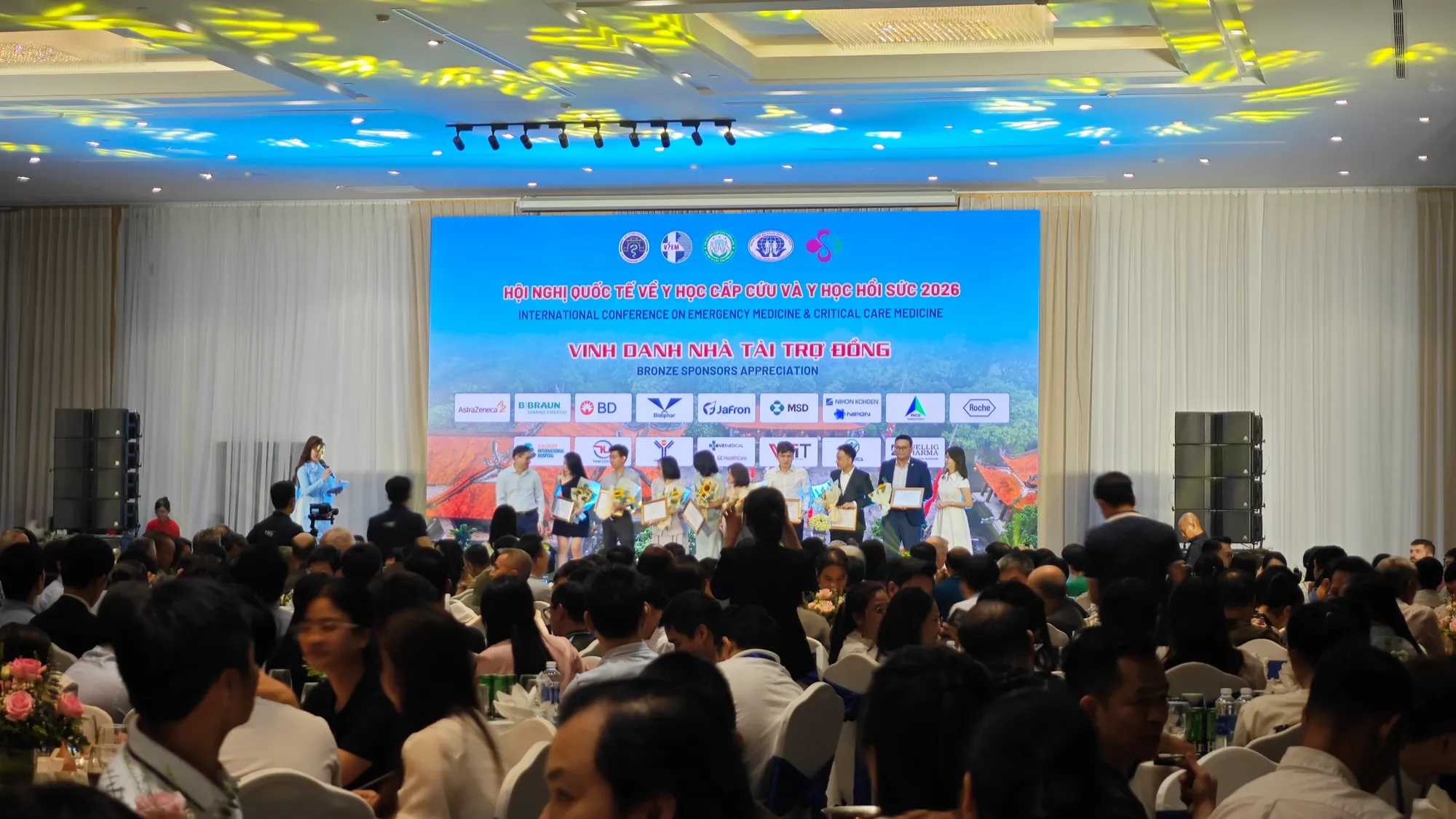
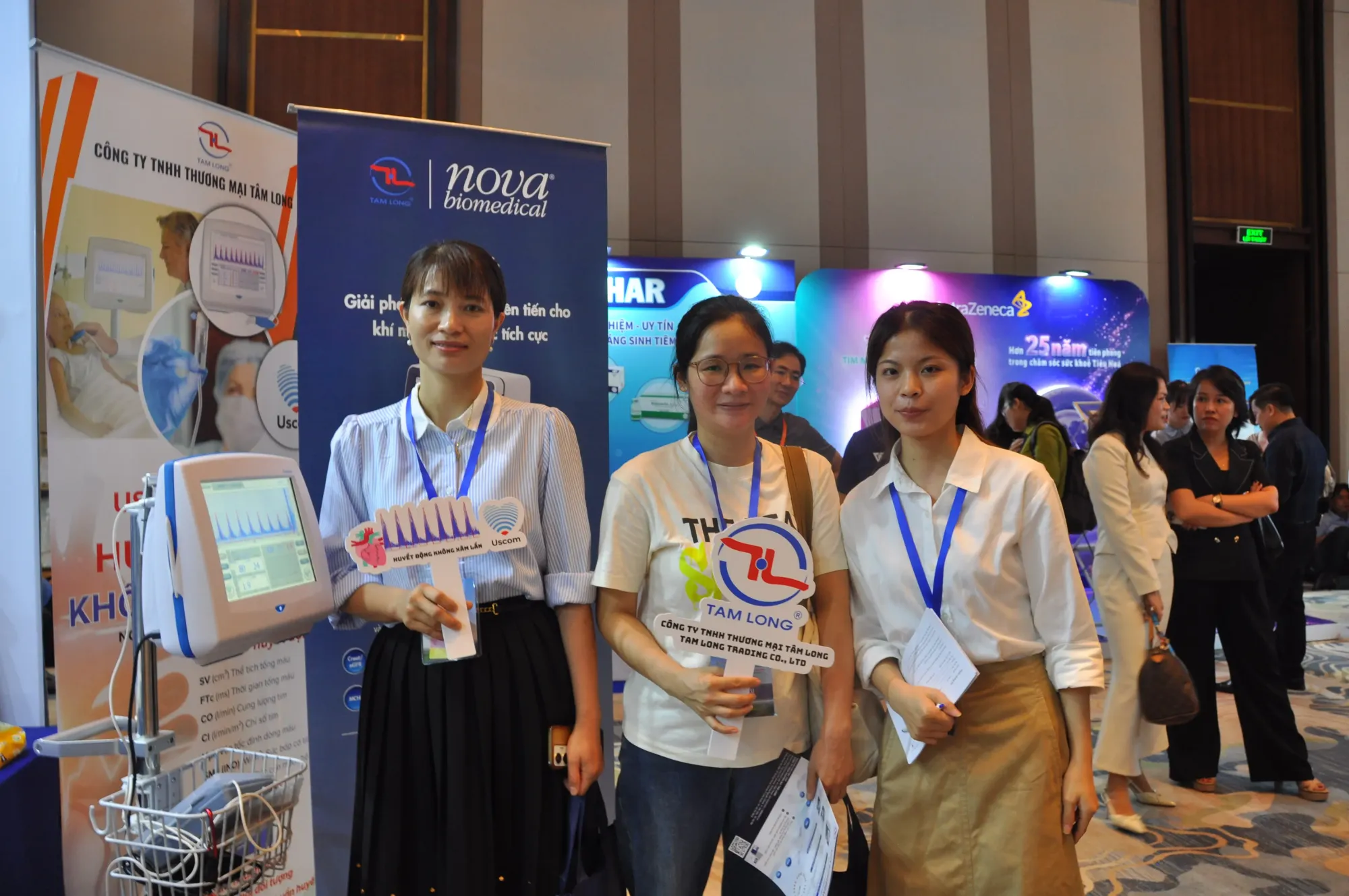
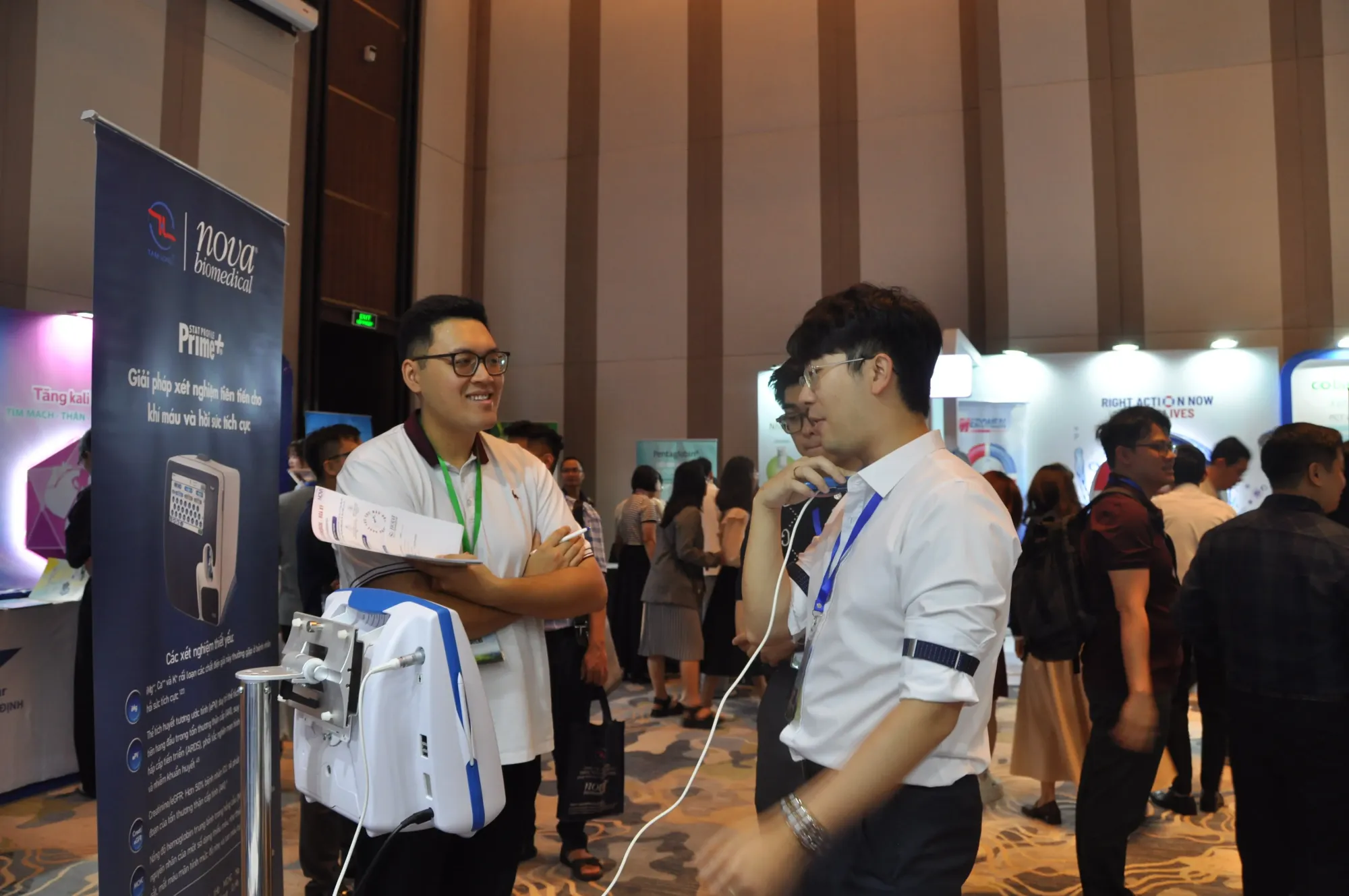
Tam Long Trading Co., Ltd. was proud to accompany and sponsor the conference, presenting its flagship products in blood gas analysis and haemodynamic monitoring to support the assessment and treatment of emergency and critical care patients.
The Tam Long booth welcomed a large number of specialists, doctors and healthcare staff from hospitals across Vietnam and abroad. It was an occasion for Tam Long and these experts to exchange practical experience in diagnosis, monitoring and treatment, and to share new trends and applications in clinical practice and research.
Broadening connections – encouraging cooperation – working towards better treatment
Through its sessions, workshops and professional exchange activities, the conference helped build a network connecting hospitals, universities, specialists and healthcare organisations in Vietnam and abroad.
It was also an opportunity to discuss new directions in workforce training, technology transfer, the application of new technology and the strengthening of emergency and critical care capacity, with the aim of improving the quality of care and treatment for critically ill patients.